Comprehensive Guide to Head Lice Treatment and Prevention
Understanding head lice is crucial for effective treatment and prevention. This comprehensive guide covers everything from identifying lice to implementing effective treatment strategies. Parents and caregivers can find essential information to help them manage lice infestations safely and effectively.
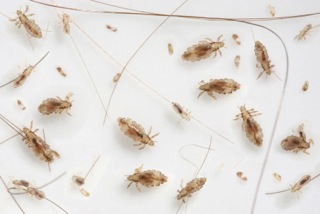
Head lice are tiny, wingless insects that live on the scalp and feed on human blood. They can be challenging to detect, but knowing the signs and symptoms can help in early identification. This guide provides step-by-step instructions on how to check for lice, the lifecycle of lice, and the importance of treating infestations promptly to prevent further spread.
Common Misconceptions About Head Lice
There are many misconceptions surrounding head lice that can lead to unnecessary panic and stigma. This section aims to debunk myths and clarify the realities of lice infestations, helping parents approach the situation with a clear understanding.
For instance, many people believe that head lice are a sign of poor hygiene, but this is not true. Lice can affect anyone, regardless of cleanliness. Additionally, sharing personal items like hats or hairbrushes can lead to transmission. This section will provide factual information to help alleviate fears and promote a more informed response to lice outbreaks.
Effective Home Remedies for Lice
Home remedies can be a popular choice for parents looking to treat head lice without harsh chemicals. This section explores various natural treatments that have shown effectiveness in managing lice infestations safely.
Common home remedies include using essential oils like tea tree oil, coconut oil, and vinegar. These natural solutions can help suffocate lice and loosen nits from hair strands. However, it is essential to combine these methods with thorough combing to ensure complete removal. This section will provide detailed instructions on how to implement these remedies effectively.
Preventive Measures to Avoid Head Lice
Preventing head lice is just as important as treating them. This section outlines practical steps that families can take to reduce the risk of infestations, especially in environments like schools and daycare centers.
Simple measures such as avoiding head-to-head contact, not sharing personal items, and regularly checking hair for lice can significantly lower the chances of an outbreak. Educating children about lice and encouraging them to be vigilant can also play a crucial role in prevention. This section will provide tips and strategies for parents to keep their children lice-free.


Recent Comments