Frequently Asked Questions
What is super lice?
Super lice are a type of head lice that have developed resistance to conventional over-the-counter treatments, making them harder to eliminate. These pests can cause significant discomfort and require more effective, often non-toxic, treatment solutions.
What kills super lice?
The effective treatments for killing super lice include using non-toxic products specifically designed for resistant strains, along with thorough manual removal of lice and nits. Regular combing and maintaining a clean environment are also crucial in managing infestations.
How do you get rid of super lice?
Getting rid of super lice involves a combination of manual removal and non-toxic treatments. Use a fine-toothed comb to meticulously remove lice and nits, and consider alternative remedies that target resistant strains effectively.
How to know if you have super lice?
Knowing if you have super lice involves recognizing symptoms and resistance to treatment. If lice persist despite using conventional treatments, or if you notice larger lice and increased itching, you may be dealing with super lice.
What is the difference between lice and super lice?
The difference between lice and super lice lies in their resistance to treatment. While regular lice can often be eliminated with traditional methods, super lice have developed a resistance, making them harder to treat and requiring alternative solutions for effective management.
How do you get super lice?
Super lice are contracted through close head-to-head contact with an infested person, often in settings like schools or daycare centers, where lice can easily spread among children.
How to treat super lice at home?
Treating super lice at home involves using a combination of manual removal and non-toxic treatments. Regularly combing wet hair with a fine-toothed lice comb and applying natural remedies, such as essential oils, can effectively eliminate these resistant pests.
What does super lice look like?
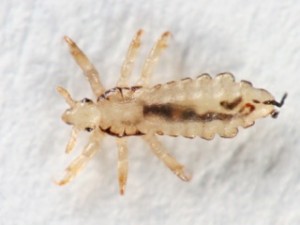
Super lice appear similar to regular lice but are slightly larger, measuring about 1-2 millimeters in length. They can be tan to grayish-white in color and are often difficult to see due to their ability to blend in with hair.
How do you know if you have super lice?
Identifying super lice involves noticing persistent itching, scalp irritation, and finding live lice or nits that resist standard treatments. If over-the-counter products fail to eliminate lice after multiple applications, you may be dealing with super lice.
How to treat super lice?
The treatment for super lice involves using non-toxic, effective solutions such as manual removal with a fine-toothed comb, along with specialized treatments designed to target resistant lice. Regularly washing bedding and personal items is also essential.
How to get rid of super lice?
Getting rid of super lice requires a combination of manual removal and effective treatment methods. Use a fine-toothed comb to meticulously remove lice and nits, and consider non-toxic treatment options that target resistant strains for optimal results.
What are the symptoms of super lice?
The symptoms of super lice include intense itching on the scalp, visible lice or their eggs (nits) in hair, and possible irritation or redness of the scalp due to scratching.
How do super lice differ from regular lice?
Super lice differ from regular lice primarily in their increased resistance to conventional treatments. While both are similar in appearance and behavior, super lice are harder to eliminate due to genetic mutations that allow them to survive standard over-the-counter products.
What home remedies treat super lice effectively?
Home remedies that effectively treat super lice include using essential oils, such as tea tree or lavender, which may help suffocate lice. Additionally, combining vinegar with olive oil can facilitate manual removal and disrupt the lice's grip on hair.
Can super lice be treated with over-the-counter products?
Super lice cannot be effectively treated with most over-the-counter products due to their resistance to common active ingredients. For best results, consider alternative non-toxic solutions and manual removal methods.
What are the best professional treatments for super lice?
The best professional treatments for super lice include manual removal by trained specialists, and the use of non-toxic, FDA-approved products that target resistant lice effectively. These methods ensure comprehensive eradication and minimize the risk of reinfestation.
How can I prevent super lice infestations?
Preventing super lice infestations involves regular head checks, encouraging children to avoid head-to-head contact, and refraining from sharing personal items like hats and hairbrushes. Additionally, maintaining cleanliness in shared spaces can help minimize the risk.
What age groups are most affected by super lice?
The age groups most affected by super lice are primarily children aged 3 to 11 years. This is largely due to close contact in settings like schools and daycare centers, where lice can easily spread.
How long do super lice live without a host?
Super lice can survive without a host for up to 48 hours. After this time, they typically die due to the lack of a blood meal, which is essential for their survival.
What are common myths about super lice?
Common myths about super lice include the belief that they are larger or more dangerous than regular lice, or that they only affect those with poor hygiene. In reality, super lice are simply resistant to conventional treatments and can infest anyone, regardless of cleanliness.
How do you identify super lice in hair?
Identifying super lice in hair involves looking for adult lice and their eggs, known as nits, which are typically found close to the scalp. Super lice may appear similar to regular lice but are resistant to many over-the-counter treatments.
What is the life cycle of super lice?
The life cycle of super lice consists of three stages: egg (nits), nymph, and adult. Nits hatch within 7 to 10 days, nymphs mature in about 9 days, and adults can live for several weeks, laying up to 100 eggs.
Are super lice resistant to all treatments?
Super lice are resistant to many conventional treatments, but not all. While they may withstand certain over-the-counter products, effective management often requires manual removal and alternative non-toxic solutions to successfully eliminate these resilient pests.
How often should I check for super lice?
Checking for super lice regularly is essential, especially if there is a known infestation in your community. It's recommended to inspect hair and scalp weekly to catch any signs early and manage potential outbreaks effectively.
What tools are effective for removing super lice?
The tools effective for removing super lice include fine-toothed combs designed specifically for lice removal, and non-toxic treatments that target resistant strains. Manual removal is essential, as it ensures thorough elimination of both lice and their eggs.
Can pets carry super lice into the home?
Pets cannot carry super lice into the home, as lice are specific to humans and do not infest animals. Therefore, your pets are not a source of lice infestations.
What should I do if my child has super lice?
If your child has super lice, it's essential to use effective treatment options such as non-toxic solutions and manual removal. Regularly check for lice and nits, and educate your family on prevention strategies to manage the infestation effectively.
How can schools help prevent super lice outbreaks?
Schools can help prevent super lice outbreaks by implementing regular head checks, educating staff and parents about lice prevention strategies, promoting good hygiene practices, and encouraging timely reporting of infestations to ensure prompt treatment and containment.
What is the cost of super lice treatment?
The cost of super lice treatment varies depending on the method chosen, with professional services typically ranging from $100 to $300, while at-home treatments can cost between $10 and $50.
How do environmental factors affect super lice survival?
Environmental factors significantly influence super lice survival. Conditions such as temperature and humidity can enhance their resilience, allowing them to thrive in various environments and complicating treatment efforts.
 Recently while treating a little girl at the Lice Treatment Center, she asked if she had regular lice or super lice. I asked her why she asked and she said that the local pharmacist informed her that one of the elementary schools in the area was “infested with super lice.” I asked her if she wanted regular lice or super lice, to which she said enthusiastically, “I want super lice!” I said well you’re in luck because you do have super lice. Of course in reality I would have no idea if she really had super lice or not but it made her feel special. It also brought the subject of resistant head lice to my mind.
Recent Comments